
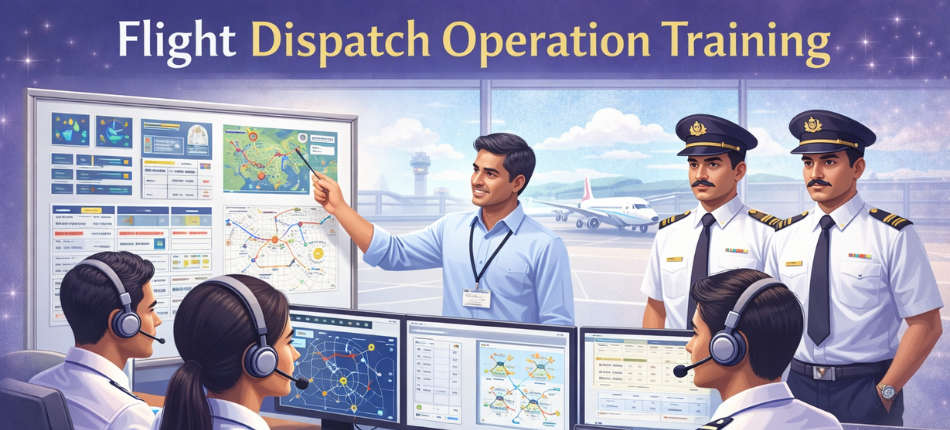
Flight Dispatch Operation Training – FlyBy Aviation – The Backbone of Safe and Efficient Flights
Introduction
Behind every safe and on-time flight is a highly coordinated system working on the ground—Flight Dispatch Operations. While pilots control the aircraft in the sky, flight dispatchers play a critical role in planning, monitoring, and supporting each flight from departure to arrival. At FlyBy Aviation, flight dispatch operations are handled with precision, technology, and regulatory compliance to ensure the highest standards of aviation safety.
Learn everything about Flight Dispatch Operation Training with FlyBy Aviation. Explore roles, responsibilities, safety protocols, and career opportunities for aspiring flight dispatchers.
What Is Flight Dispatch Operation?
Flight dispatch operation refers to the process of planning, authorizing, monitoring, and supporting flights to ensure safety, efficiency, and regulatory compliance. A certified flight dispatcher works jointly with the pilot-in-command, sharing legal responsibility for the safety of the flight.
Key Responsibilities of Flight Dispatch Operations
1. Flight Planning
Flight planning is one of the most critical responsibilities within flight dispatch operations. Dispatchers prepare detailed and accurate flight plans that ensure every flight operates safely, efficiently, and in compliance with aviation regulations. This process involves selecting the most suitable route based on airspace restrictions and traffic, calculating precise fuel requirements to account for trip, contingency, and reserve fuel, and analyzing aircraft performance data to match weight, altitude, and runway conditions. In addition, dispatchers conduct thorough weather analysis to avoid adverse conditions and plan suitable alternate airports in case of diversions. Effective flight planning minimizes operational risks, reduces delays, and supports pilots with reliable, real-time information for safe flight execution.
At FlyBy Aviation, advanced planning tools ensure optimized routes and fuel efficiency.
2. Weather Monitoring & Risk Assessment
Weather monitoring and risk assessment are vital components of flight dispatch operations, as weather conditions can significantly impact flight safety and efficiency. Flight dispatchers continuously analyze current and forecast weather data, including wind patterns, visibility, temperature, and storm activity along the planned route and at departure and destination airports. By identifying potential hazards such as turbulence, thunderstorms, icing, or low visibility, dispatchers can assess operational risks well in advance. Based on this analysis, they recommend safe alternate airports, route adjustments, or diversions when necessary. Proactive weather monitoring enables informed decision-making, helping pilots avoid dangerous conditions and ensuring smoother, safer flight operations.
3. Regulatory Compliance
Regulatory compliance is a fundamental aspect of flight dispatch operations, ensuring that every flight is conducted legally and safely. Flight dispatchers must strictly adhere to civil aviation authority regulations, which govern areas such as flight planning, fuel requirements, crew duty limits, and operational approvals. In addition, they follow airline operational control procedures that define how flights are authorized, monitored, and managed. Compliance with international aviation standards is also essential, especially for cross-border operations, to ensure uniform safety practices worldwide. By maintaining strict regulatory compliance, flight dispatch operations help minimize operational risks, avoid violations, and uphold the highest standards of aviation safety and professionalism.
FlyBy Aviation ensures every dispatch decision meets global aviation compliance standards.
4. Real-Time Flight Monitoring
Real-time flight monitoring begins once the aircraft is airborne and continues until it safely reaches its destination. During this phase, flight dispatchers continuously track the flight’s progress using advanced monitoring systems to ensure it remains on the planned route and schedule. They maintain constant communication with pilots, providing timely updates on changing weather conditions, airspace restrictions, or airport status. In the event of emergencies, technical issues, or unexpected weather developments, dispatchers assist pilots by analyzing available options, coordinating diversions, and recommending safe alternate airports. This continuous support enhances situational awareness and plays a crucial role in maintaining flight safety and operational efficiency.
Why Flight Dispatch Operations Matter
Effective dispatch operations:
Enhance Flight Safety:
Flight dispatch operations continuously monitor all aspects of a flight, from planning to real-time updates, to prevent risks and hazards. This proactive oversight ensures passengers, crew, and aircraft remain safe throughout the journey.
Improve Fuel Efficiency:
Dispatchers calculate precise fuel requirements based on route, weather, and aircraft performance. Optimized fuel planning reduces waste, lowers operational costs, and supports environmentally responsible flying.
Reduce Delays:
By anticipating potential issues like weather changes or air traffic congestion, dispatchers help adjust routes and schedules in advance. This proactive approach minimizes flight disruptions and keeps operations on time.
Support Pilot Decision-Making:
Dispatchers provide pilots with accurate, real-time information on weather, airspace, and alternate options. This collaboration ensures pilots can make informed, timely decisions during all phases of flight.
Ensure Operational Control:
Dispatchers maintain full oversight of each flight, coordinating all operational aspects from ground to air. This centralized control guarantees compliance with regulations, safety standards, and airline procedures.
At FlyBy Aviation, dispatch operations are the backbone of reliable aviation services.
Importance of Flight Dispatch Training
Proper training ensures dispatchers can:
-
Interpret aviation weather
-
Understand aircraft performance
-
Apply aviation regulations
-
Make time-critical decisions
At FlyBy Aviation, dispatch operations are backed by industry-standard knowledge and practical expertise.
Career Scope in Flight Dispatch Operations
Flight dispatch is a growing aviation career with opportunities in:
-
Airlines
-
Charter companies
-
Business aviation
-
Cargo operations
-
Flight support organizations
With aviation expansion worldwide, skilled dispatchers are in high demand.
Why Choose FlyBy Aviation?
- Professional Dispatch Standards:
FlyBy Aviation follows strict protocols and best practices to ensure every flight is planned and executed with precision. This commitment guarantees consistent, high-quality dispatch operations across all flights. - Advanced Planning Tools:
The airline leverages cutting-edge software and technology for route optimization, fuel calculations, and real-time monitoring. These tools enhance operational efficiency and support informed decision-making for every flight. - Regulatory Expertise:
FlyBy Aviation’s team is highly knowledgeable about local and international aviation regulations. This expertise ensures that all flights comply with legal standards, minimizing risks and maintaining operational integrity. - Safety-First Operational Culture:
Safety is the top priority at FlyBy Aviation, with rigorous checks, protocols, and monitoring in place. Every decision, from planning to in-flight support, is guided by the commitment to passenger and crew safety. - Industry-Relevant Aviation Solutions:
The airline provides customized and practical solutions tailored to modern aviation needs. From flight planning to emergency support, FlyBy Aviation delivers services that align with industry standards and evolving operational challenges.
Conclusion
Flight dispatch operations are essential to safe and successful aviation missions. From meticulous planning to real-time support, dispatchers ensure flights operate smoothly under all conditions. FlyBy Aviation remains committed to excellence in flight dispatch operations, supporting every flight with precision and professionalism.
Flight Dispatch Operation Training Flight Dispatch Operation Training Flight Dispatch Operation Training Flight Dispatch Operation Training Flight Dispatch Operation Training Flight Dispatch Operation Flight Dispatch Operation Training Flight Dispatch Operation Training Flight Dispatch Operation Training Flight Dispatch Operation Training Flight Dispatch Operation Training Flight Dispatch Operation Training Flight Dispatch Operation Training Flight Dispatch Operation Training Flight Dispatch Operation Training